
Platelet-Rich Plasma (PRP)
Platelet-rich plasma (PRP) is a treatment that doctors use to accelerate healing in various areas of the body. It may help restore hair growth.
Doctors typically use this treatment when hair loss results from androgenetic alopecia, a common condition that causes hair follicles to shrink. In males, this is called male pattern baldness.
Although PRP is a relatively new approach, there is some scientific evidence to suggest that it can promote hair growth.
Platelets are a component of blood, along with red and white blood cells. When a person sustains a cut or wound, the platelets are some of the body’s “first responders” that arrive to stop the bleeding and promote healing.
Researchers theorized that if they could extract concentrated platelets and inject them into damaged areas of the body, they could accelerate healing.
To produce PRP, a medical professional will take a blood sample and put it into a machine called a centrifuge. This machine spins at a rapid rate, which separates the components of the blood. The medical professional then extracts the platelets for injection.
PRP contains a range of growth factors and proteins that speed tissue repair. As some types of hair loss result from damage to hair follicles, PRP could help regrow hair by reversing the process that occurs in androgenetic alopecia.
Since then, PRP has become a popular method of restoring hair growth. Doctors have also used PRP to treat injuries to the tendons, muscles, and ligaments, such as those that people sustain during sporting activities.
Sports injuries often affect the knees.
How to do Procedure
The following steps are an example of a common approach to PRP injections for hair loss:
- A medical professional draws blood from a vein in the arm.
- They place the blood sample in a centrifuge.
- The centrifuge spins the blood, separating its components.
- A medical professional extracts the platelets using a syringe.
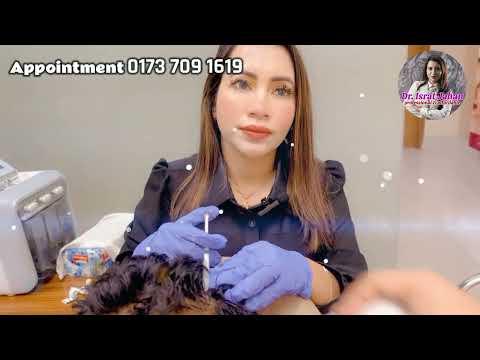
- A doctor injects the platelets into targeted areas of the scalp.
The entire process may take about 1 hour, and several sessions may be necessary. After receiving PRP treatment, a person can usually return to their regular activities without any limitations.
Certain changes to the diet and daily routine may help promote hair growth or prevent hair loss.
How long does it last?
PRP is not a cure for conditions that cause hair loss. For this reason, a person would need to receive multiple PRP treatments over time to maintain hair growth results.
Usually 5/6 sessions at 14 days interval needed to prevent hairfall and for new hair growth.
The doctor’s recommendations for how often a person should have PRP will vary depending on a person’s condition and the results of their initial treatment. The doctor may suggest having maintenance injections every 3–6 months interval once hair loss is under control.
Summary
Different Researchers have found evidence that PRP can lead to renewed hair growth.
Doctors also need to identify the best candidates for PRP and develop universal treatment protocols.
Live Procedure
More Resources
List of resources you may like